
Sensory-Friendly Activities in San Francisco for Toddlers and Preschoolers with Autism

Some days, leaving the house feels like its own kind of preparation. If your toddler is sensitive to

crowds, noise, bright lights, or unexpected transitions, something as simple as a trip to the park can feel like a calculated risk. You love watching your child discover the world, but you also know that the wrong environment can turn a well-intentioned outing into a meltdown that takes hours to recover from.
Here’s what many San Francisco families have found: the right environment makes all the difference. When sensory demands are manageable, toddlers and preschoolers with autism often surprise their parents by engaging more freely, tolerating new experiences, and showing a side of themselves that’s easy to miss in a chaotic setting.
This guide rounds up the most sensory-friendly activities in San Francisco and the surrounding Bay Area, including parks, museums, libraries, and play spaces, along with practical tips for making outings work better for your family, wherever you are in your child’s journey.
What Makes an Activity “Sensory-Friendly”?
Before diving into specific spots, it helps to know what to look for. A sensory-friendly environment or

activity typically shares a few key qualities:
Lower noise levels - minimal background music, less echo, and smaller crowd sizes
Predictable structure - clear beginnings and endings, consistent routines, and few surprises
Reduced visual clutter - calm, organized spaces without overwhelming or flickering stimulation
Flexibility - enough room for movement, pacing, or stepping away when needed
Welcoming staff - trained or sensitized to differences in behavior, communication, and sensory needs
Not every spot on this list will check every box and your child’s specific sensory profile will shape what works best. Think of this as a starting point, not a prescription.

Sensory-Friendly Parks and Outdoor Spaces in San Francisco
Golden Gate Park
With over 1,000 acres, Golden Gate Park offers something rare in a city: genuine room to breathe. For toddlers who do better with open space and the natural regulation that comes from outdoor play, this park is a consistent favorite among Bay Area families. Wide meadows, wooded paths, and quieter corners allow children to move at their own pace without the sensory press of crowded indoor environments.
Koret Children’s Quarter, the park’s main playground, is one of the largest in San Francisco. For children who are overwhelmed by large groups, early weekday mornings offer noticeably lighter attendance and a much more manageable experience. Pairing the playground with a short nature walk through the park’s wooded interior can make for a beautifully low-stimulation outing.
Crissy Field and the Marina Green
Wide-open waterfront, consistent bay breezes, and minimal visual clutter make Crissy Field a naturally regulating environment for many sensory-sensitive toddlers. At the Marina Green, the predictability of the landscape, flat, open and visually simple, helps children focus on play rather than managing their surroundings. A gentle walk along the waterfront with a preferred sensory toy or snack is one of the lower-effort, higher-reward outings San Francisco has to offer.
Yerba Buena Gardens
In the heart of SoMa, Yerba Buena Gardens is a quieter urban park with a children’s garden and a fountain area that many children find both engaging and calming. The grounds are well-maintained and less chaotic than many city playgrounds. The adjoining carousel provides a short, contained experience, with easy exits if needed, that can serve as a gentle introduction to a novel sensory activity.
Glen Canyon Park
One of San Francisco’s best-kept secrets, Glen Canyon is a natural ravine with a creek, trails, and a wilderness feel that stands in contrast to most city parks. For children who are calmed by nature and open-ended exploration, sticks, rocks and moving water. This is an excellent low-stimulation alternative to busier playgrounds in the city.
Museums and Cultural Spaces with Sensory Programs
California Academy of Sciences
The California Academy of Sciences in Golden Gate Park offers a dedicated Sensory-Friendly Saturday program. A special morning session with dimmed lights, reduced sound levels, and a significantly calmer museum experience designed for visitors with sensory sensitivities. These sessions typically sell out well in advance, so early registration is essential. Even on regular days, many families find the aquarium level and planetarium manageable with early-morning timing and a visual schedule prepared before the visit.
→ Verify current Sensory-Friendly Saturday dates and registration at calacademy.org. The schedule changes seasonally.
Exploratorium
The Exploratorium at Pier 15 is a hands-on science museum that has historically offered sensory-friendly programming, including quieter morning hours and special-access events for families of children with sensory differences. The tactile, interactive nature of many exhibits is a natural fit for curious toddlers who learn through touch and movement, though the main floor can get loud on peak days. Visiting on a Tuesday or Wednesday morning typically offers a dramatically quieter experience than weekends.
→ Verify current sensory-friendly event offerings at exploratorium.edu before your visit.
Children’s Creativity Museum
Located in Yerba Buena, the Children’s Creativity Museum offers a smaller, more contained experience focused on art, animation, and music. The scale of the space is manageable for toddlers, and the open-ended creative activities can be a good fit for children who engage through hands-on exploration. Weekday mornings are significantly less crowded than weekends, making them the preferred window for families managing sensory sensitivities.
Bay Area Discovery Museum (Sausalito)
Just across the Golden Gate Bridge, the Bay Area Discovery Museum is worth the short drive for many San Francisco families. Set on the waterfront with expansive outdoor play areas and a large indoor exhibits building, it gives toddlers generous room to explore at their own pace. The outdoor Tot Spot area is particularly well-suited to younger children, and the overall pace of the museum tends to feel more relaxed than many in-city venues. For sensory-sensitive toddlers, the open waterfront setting and maritime backdrop create a naturally calming environment.
Sensory-Friendly Story Times and Library Resources
San Francisco Public Library
San Francisco’s library system is one of the most accessible and most underutilized community

resources for young children with autism. Several branches offer story times developmentally appropriate for toddlers and preschoolers, and some locations have hosted sensory-friendly or “all abilities” sessions specifically designed for children who need more flexibility during group activities.
Key branches to explore include the Main Library at Civic Center, the Noe Valley Branch, and the Castro Branch, all of which maintain active children’s programming calendars. Library environments offer naturally lower stimulation than retail or entertainment venues, and librarians are generally accommodating of toddlers who are active, easily distracted, or communicating in non-traditional ways.
→ Story time schedules vary by branch and season; check sfpl.org or call your local branch directly for current offerings.
Indoor Sensory Play Spaces and Sensory Gyms
What to Look for in a Sensory Play Space
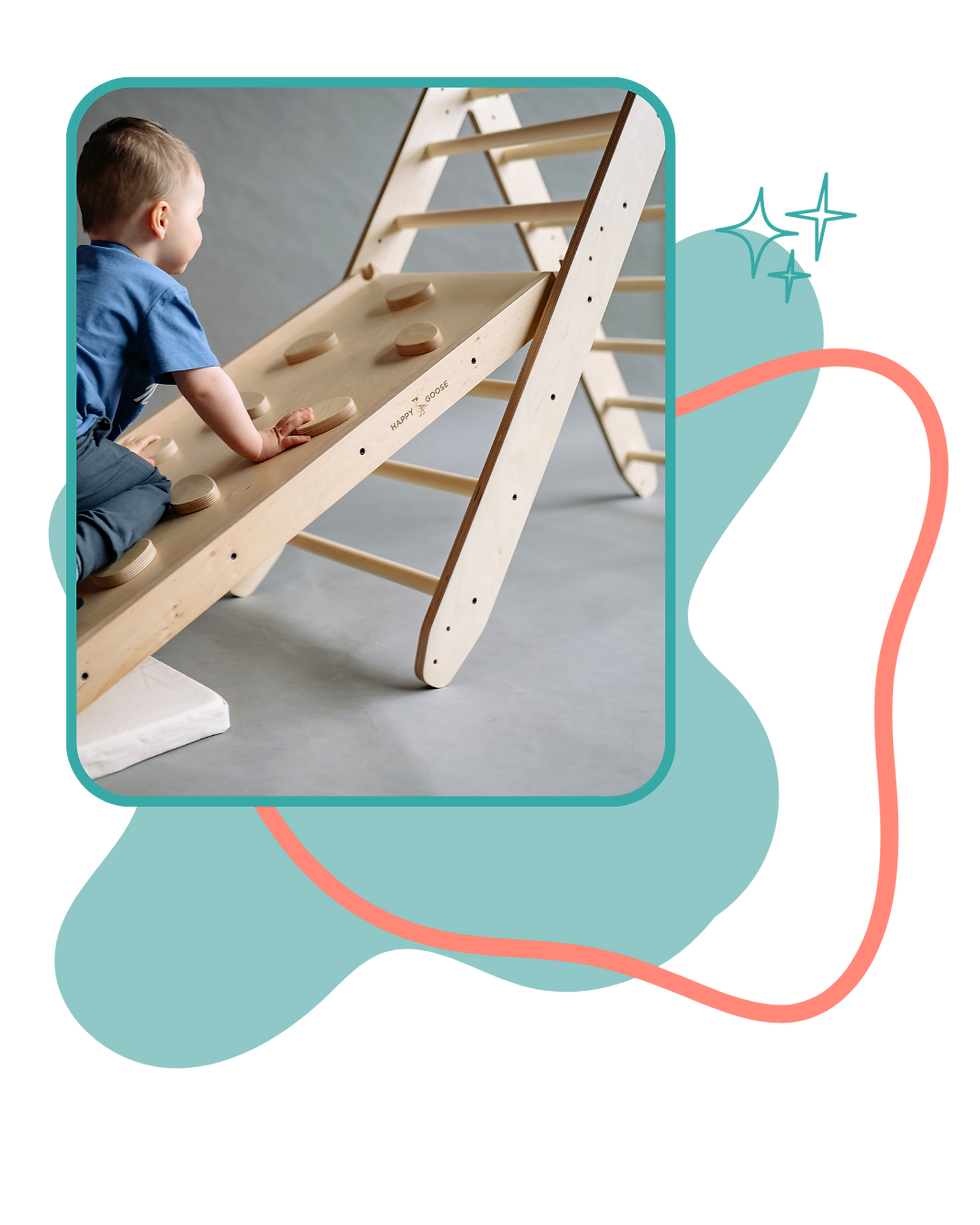
The Bay Area has a growing number of sensory-specific gyms and indoor play spaces designed for children with developmental differences. These spaces typically offer equipment built around proprioceptive and vestibular input, crash pads, platform swings, climbing structures, and trampolines, within a controlled, lower-stimulation setting. Some offer open play hours alongside formal therapy programming.
When evaluating a sensory gym, ask about staff training, group sizes during open play, and whether the space accommodates very young children who are still early in their intervention journey. Many children actually find the familiar “therapy gym” environment comforting rather than clinical, especially when the equipment echoes what they already encounter in ABA or occupational therapy sessions.
Tips for Making Any Outing Work for Your Child
Even the most thoughtfully designed venue can become overwhelming if a visit isn’t paced well. A

few approaches many Bay Area families find helpful:
Visit during off-peak hours. Weekday mornings between 9 and 11 a.m. are typically the quietest window for museums, parks, and play spaces in San Francisco, and they align naturally with therapy-free afternoons for families in ABA programs.
Preview the space visually. Google Street View and venue websites often have photos you can walk through with your toddler before the visit, reducing novelty and uncertainty when you arrive.
Bring sensory anchors. A familiar toy, chew tool, or noise-reducing headphones gives your child something reliable in an unpredictable environment.
Plan for a short visit. A successful 30-minute outing builds a stronger positive association than a two-hour trip that ends in distress. Shorter and calmer is almost always better.
Use a simple visual schedule. Even a two-card sequence, “first park, then home”, can meaningfully reduce anxiety around transitions and what comes next.
Identify your exit strategy before you arrive. Knowing how you’ll leave if your child becomes dysregulated makes leaving feel like a calm decision rather than a retreat.
Create a calm re-entry routine at home. After the outing, a brief familiar activity, a preferred snack, a comfort toy, helps consolidate the outing as a positive experience and eases re-entry into the home environment.

How ABA Therapy Supports Community Participation
Building tolerance for new environments, managing sensory input, and navigating transitions are skills, and like all skills, they develop with targeted practice and the right support.
At Celeration ABA, every child’s program is designed and delivered directly by a Board Certified Behavior Analyst (BCBA). That means the strategies used to help your toddler regulate in a new environment aren’t handed off to a less-experienced therapist to implement. Your BCBA is present, observing, adjusting, and working directly with your child in the home setting where real-world generalization begins.
Morning sessions from 8 a.m. to noon keep the rest of the day free for outings, appointments, and the kind of real-world practice that reinforces what’s learned in therapy. Families across San Francisco, Palo Alto, Redwood City, Cupertino, and throughout the Peninsula and South Bay work with Celeration because they want more than a therapy schedule. They want their child to move more freely through the world.
If you’re exploring in-home ABA therapy for your toddler and wondering what the right fit looks like, a free consultation with a BCBA is a good place to start. There are no long-term contracts, and the first conversation is simply a chance to ask questions.
Schedule Your Free 20-Minute Consultation with a Celeration BCBA
Frequently Asked Questions
What does sensory-friendly mean for a toddler with autism?
Sensory-friendly refers to environments or activities that have been adapted to reduce overwhelming sensory input. Things like loud noise, bright or flickering lights, large crowds, or unpredictable stimulation.
Are there autism-friendly activities specifically for toddlers in San Francisco?
Yes. Several San Francisco venues offer programming designed with sensory differences in mind, including the California Academy of Sciences’ Sensory-Friendly Saturday program and sensory-aware story times at San Francisco Public Library branches. Many of the city’s outdoor spaces. Golden Gate Park, Crissy Field, Glen Canyon Park.
How do I know if my toddler with autism is ready for community outings?
Most toddlers with autism benefit from community outings even before they’ve developed significant communication or social skills because these experiences are themselves part of development. The key is choosing environments with manageable sensory demands and planning visits that are short and end positively.


